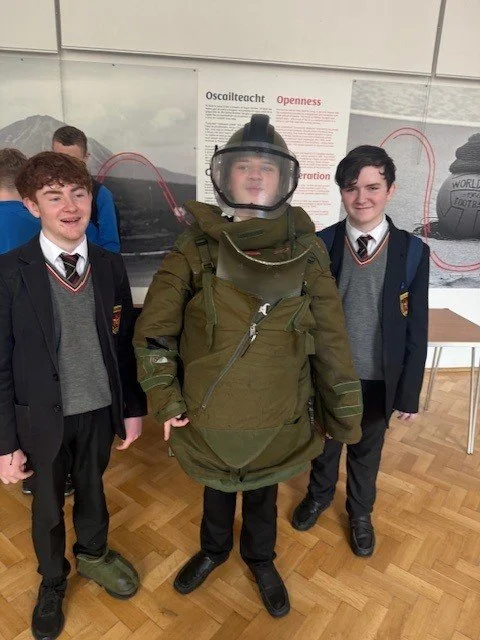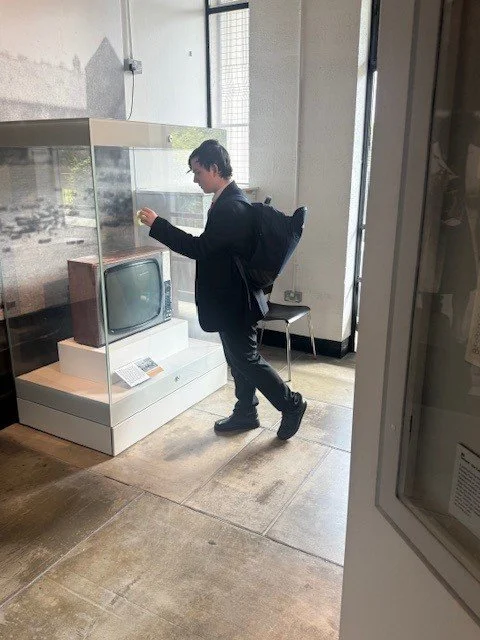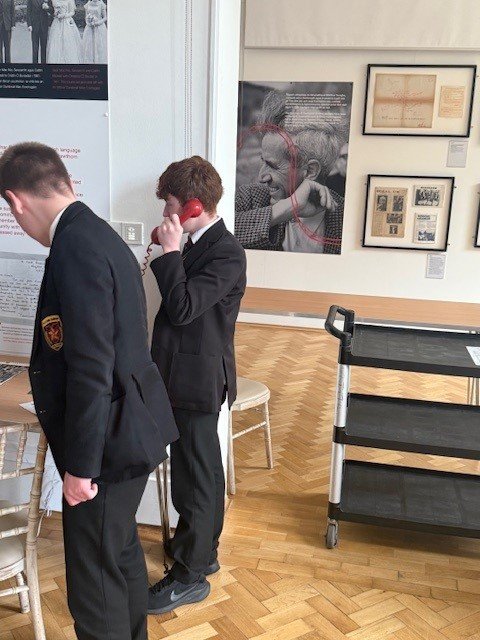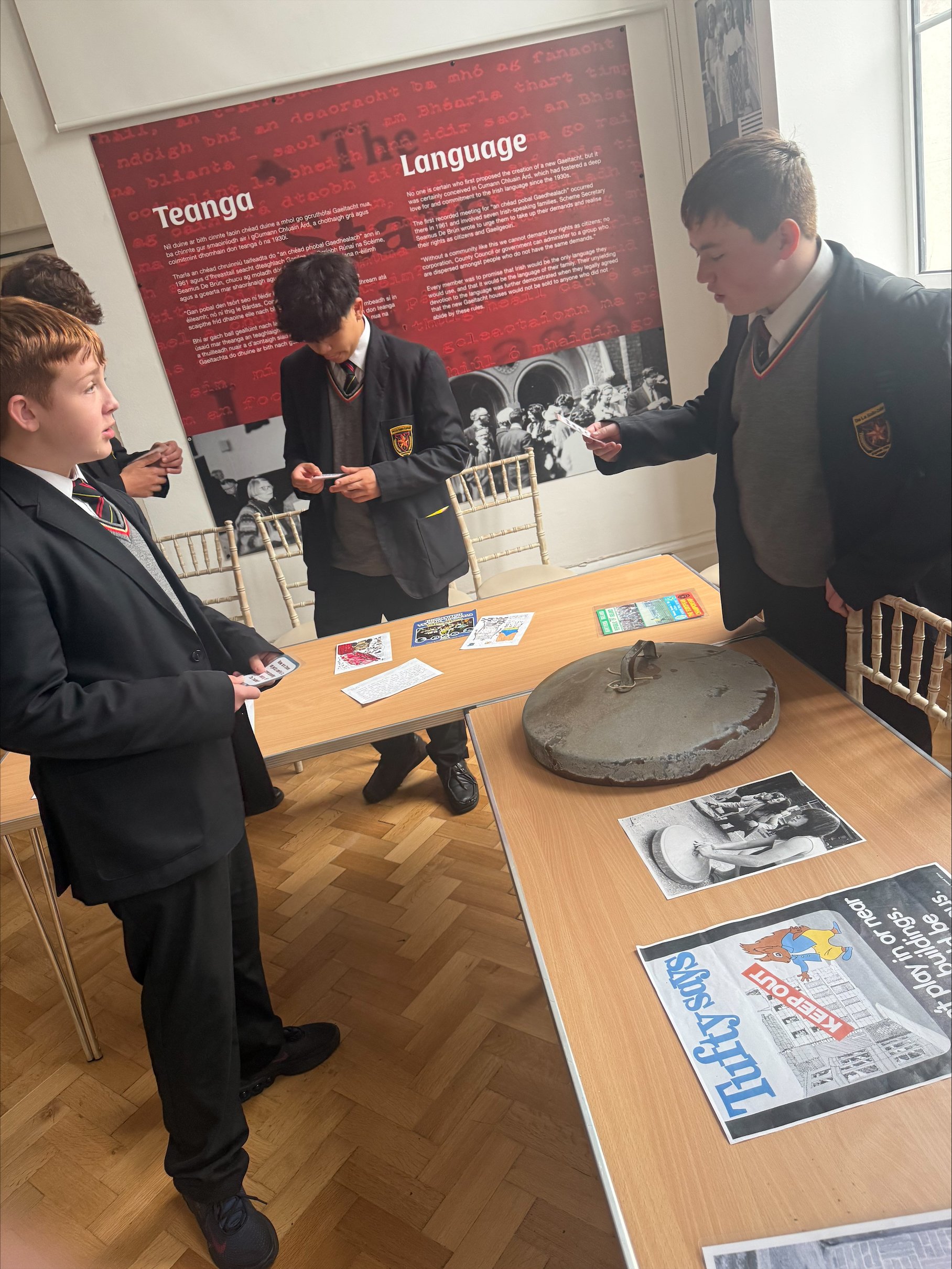
History
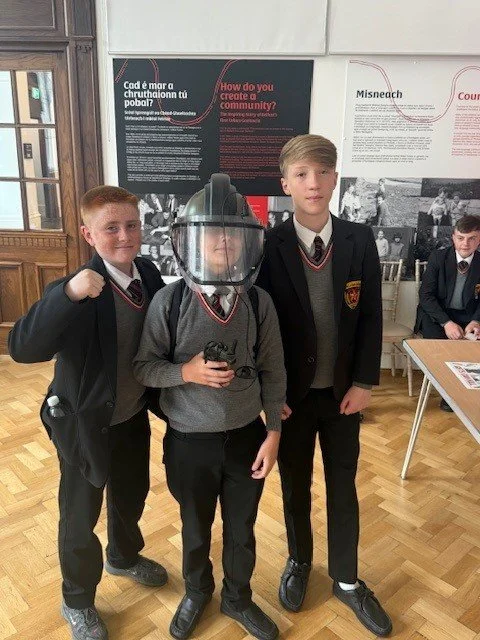
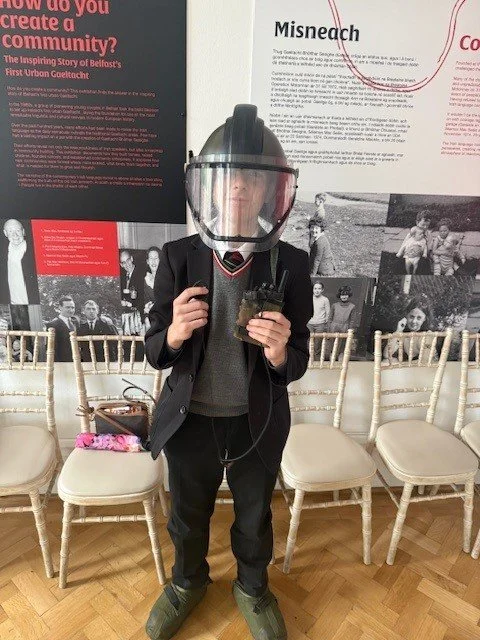
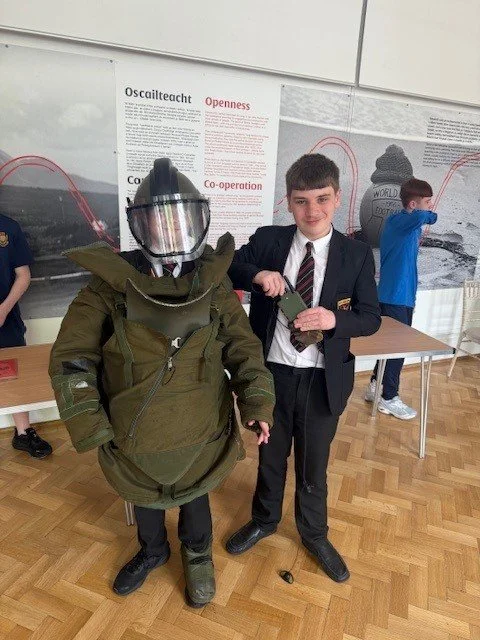
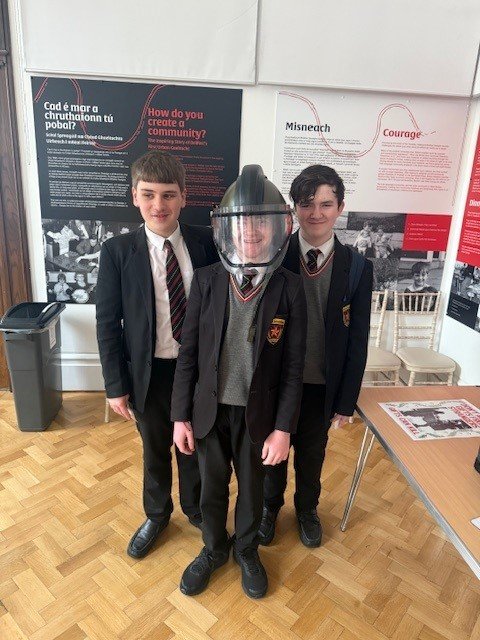
At De La Salle College, the History Department is dedicated to exploring the past to better understand the present and shape the future. Through engaging lessons, thought-provoking discussions, and immersive projects students develop critical thinking, research, and analytical skills that transcend the classroom.
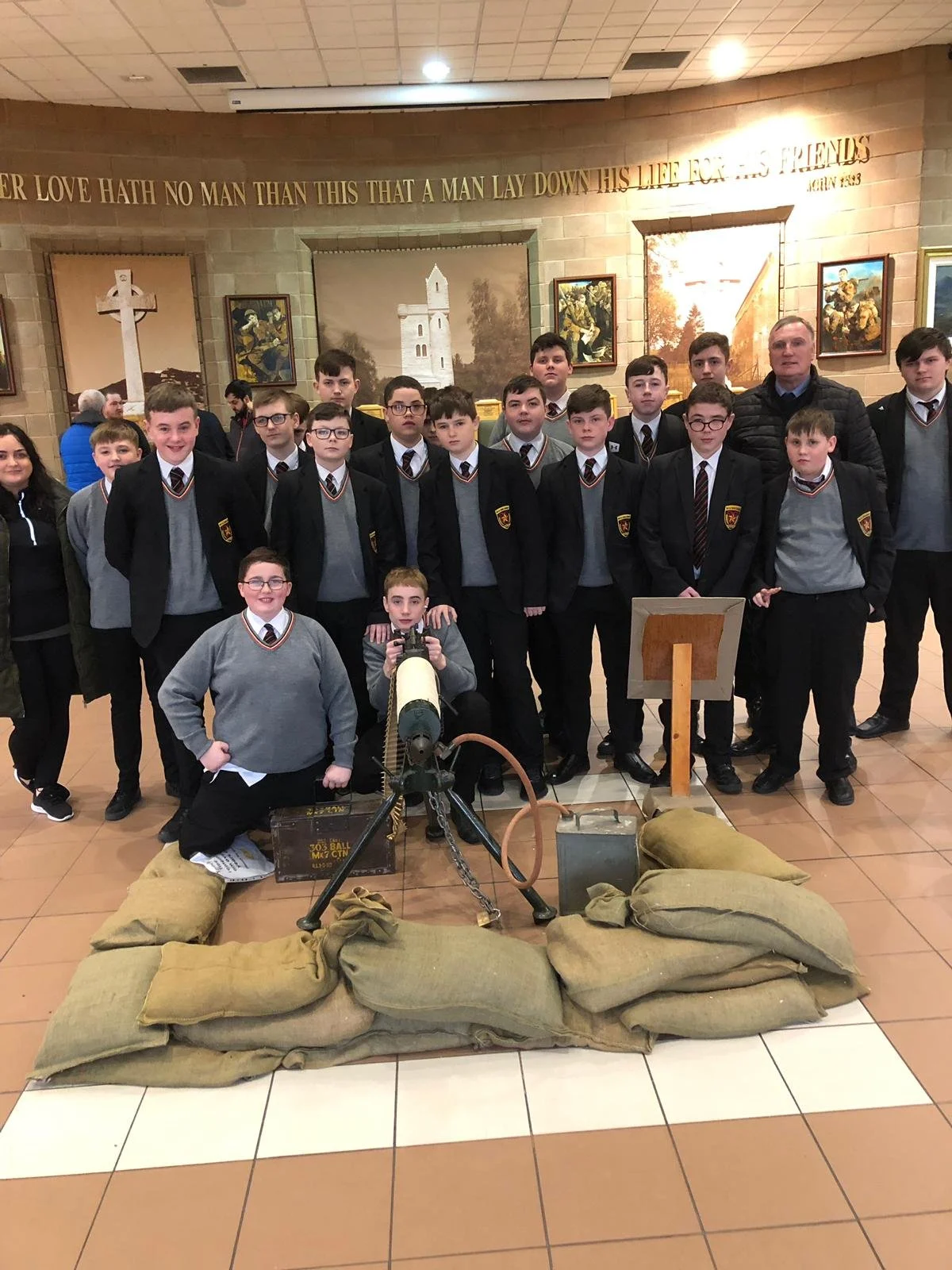
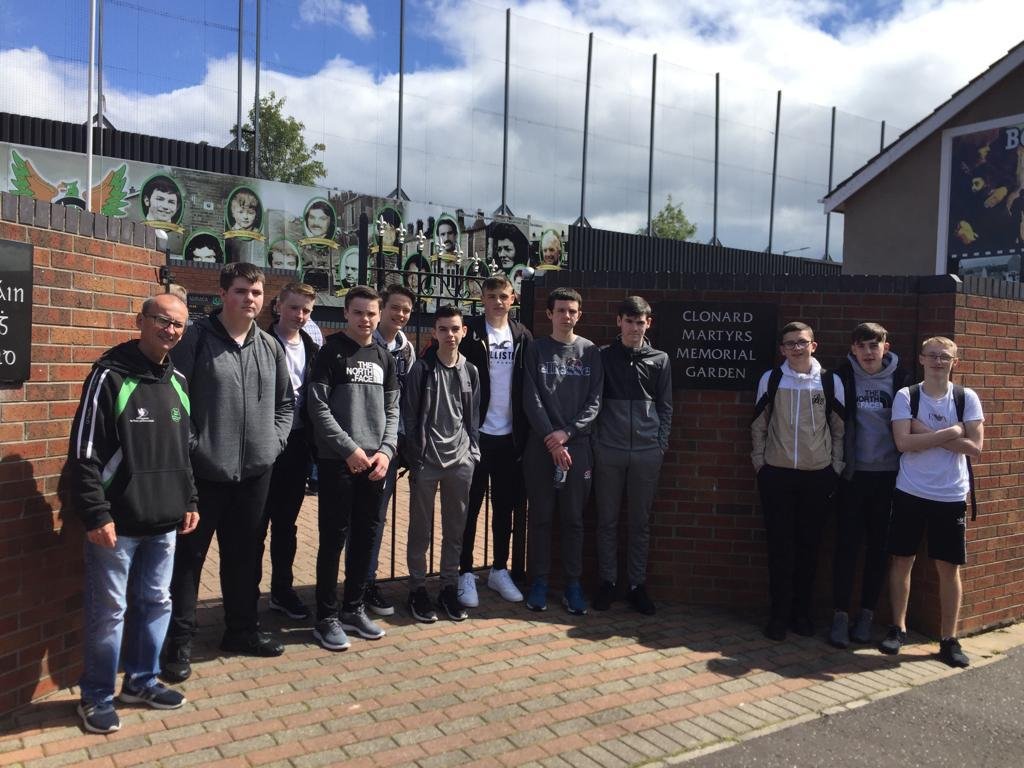
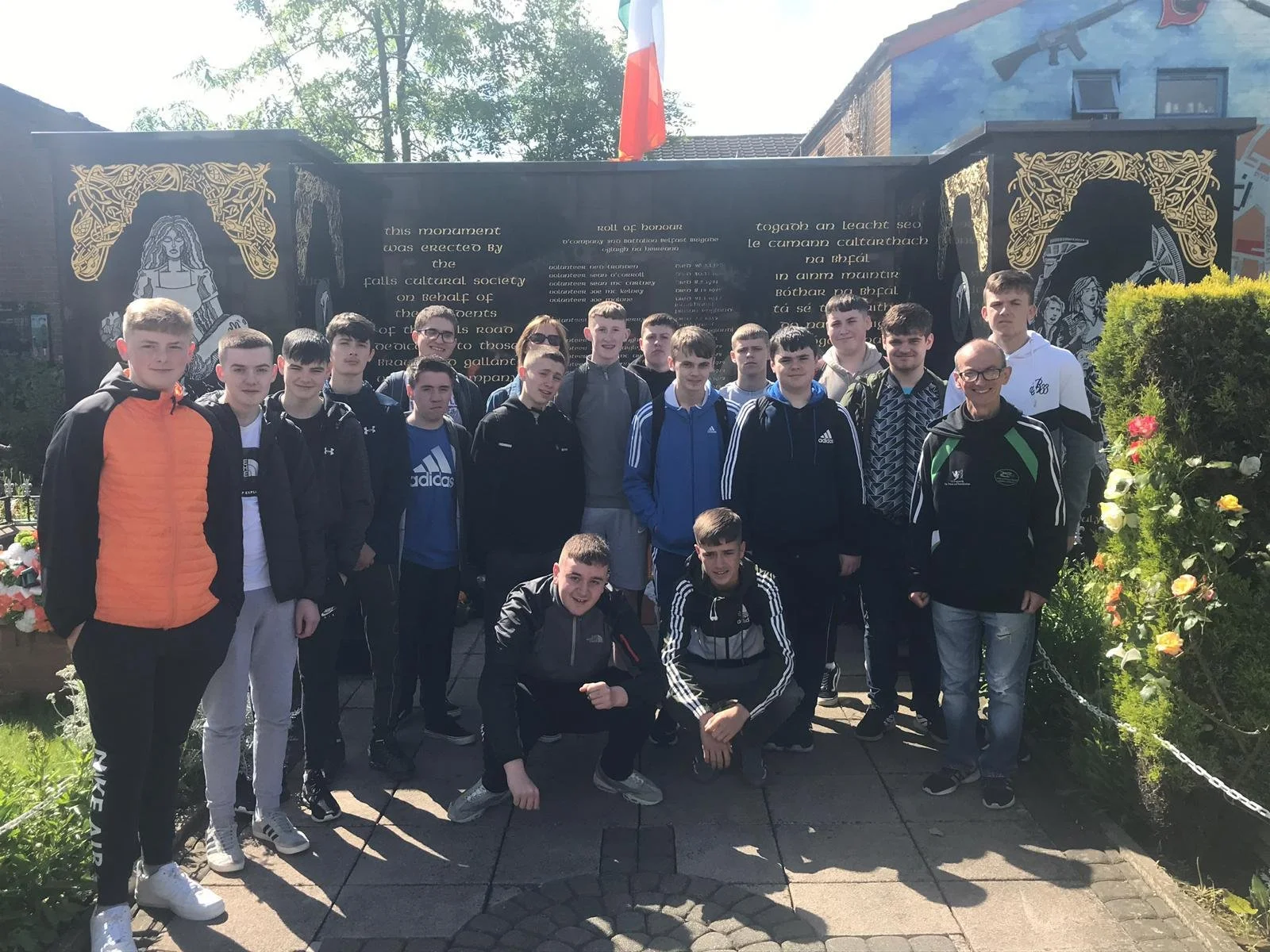
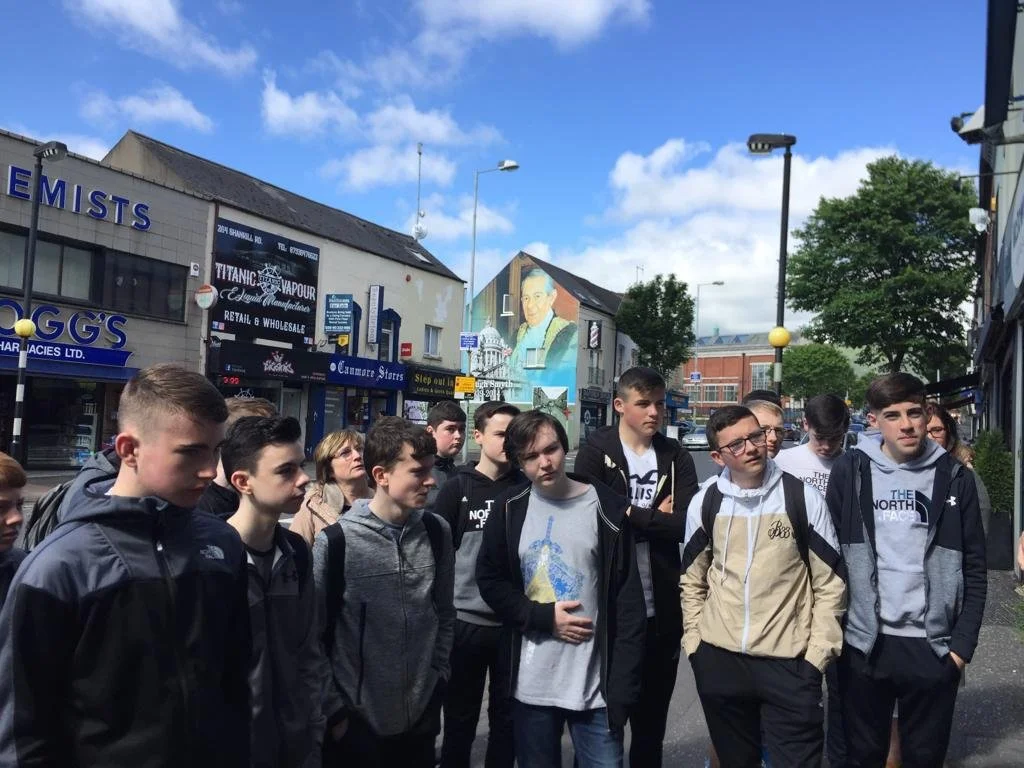
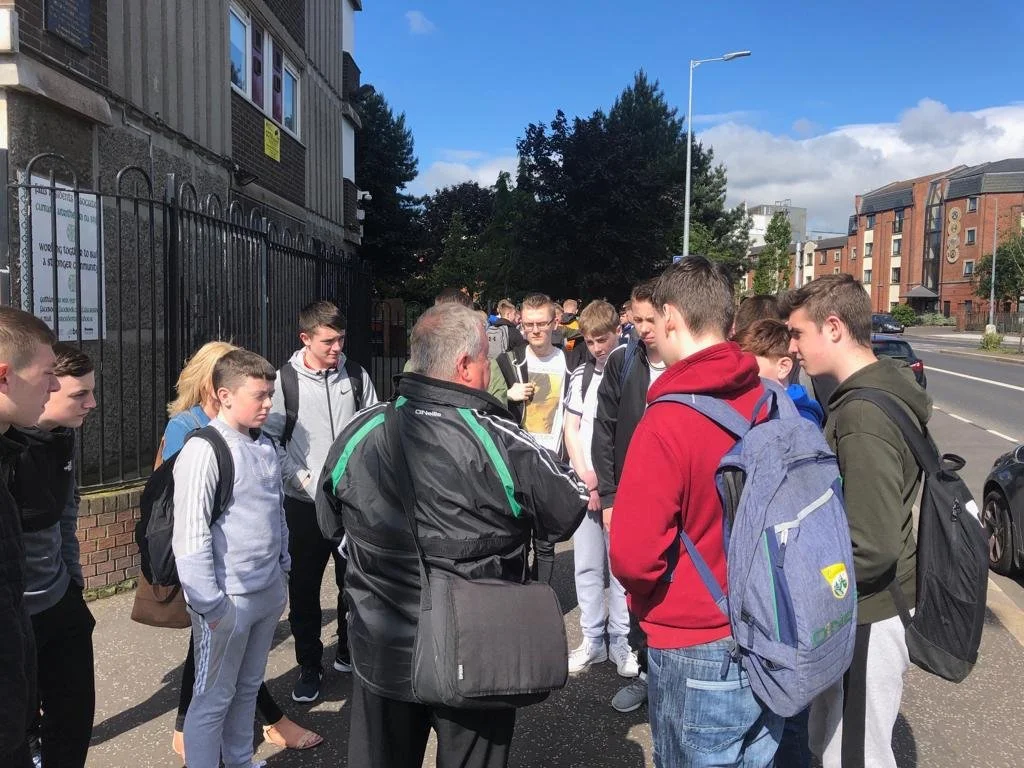
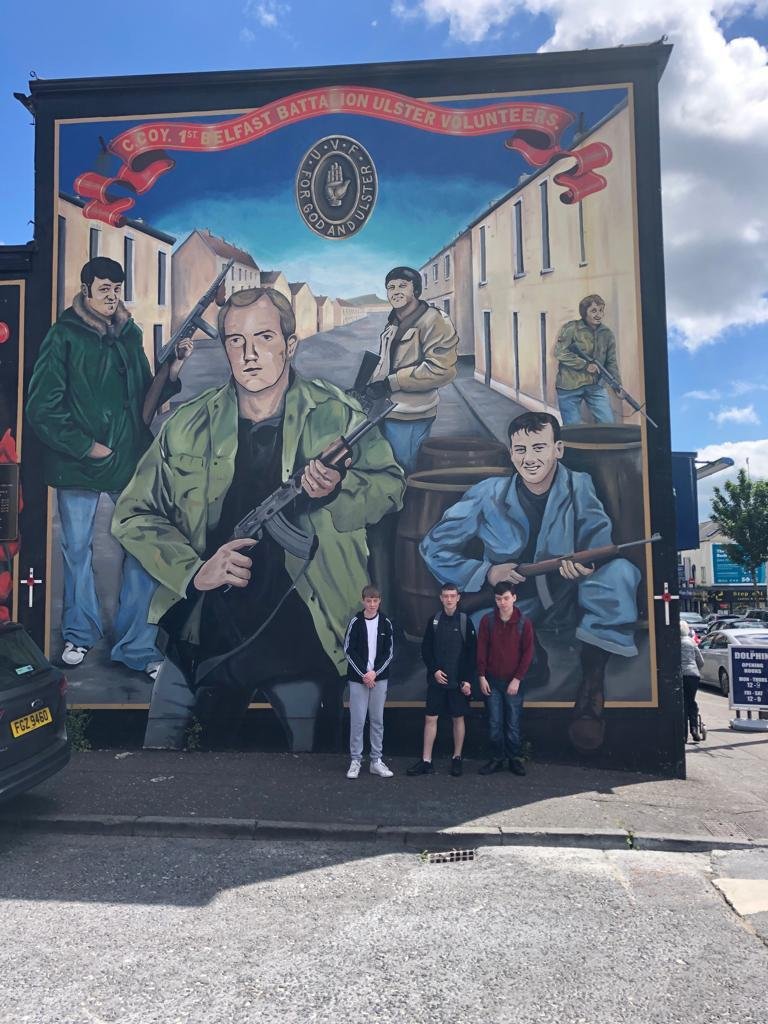
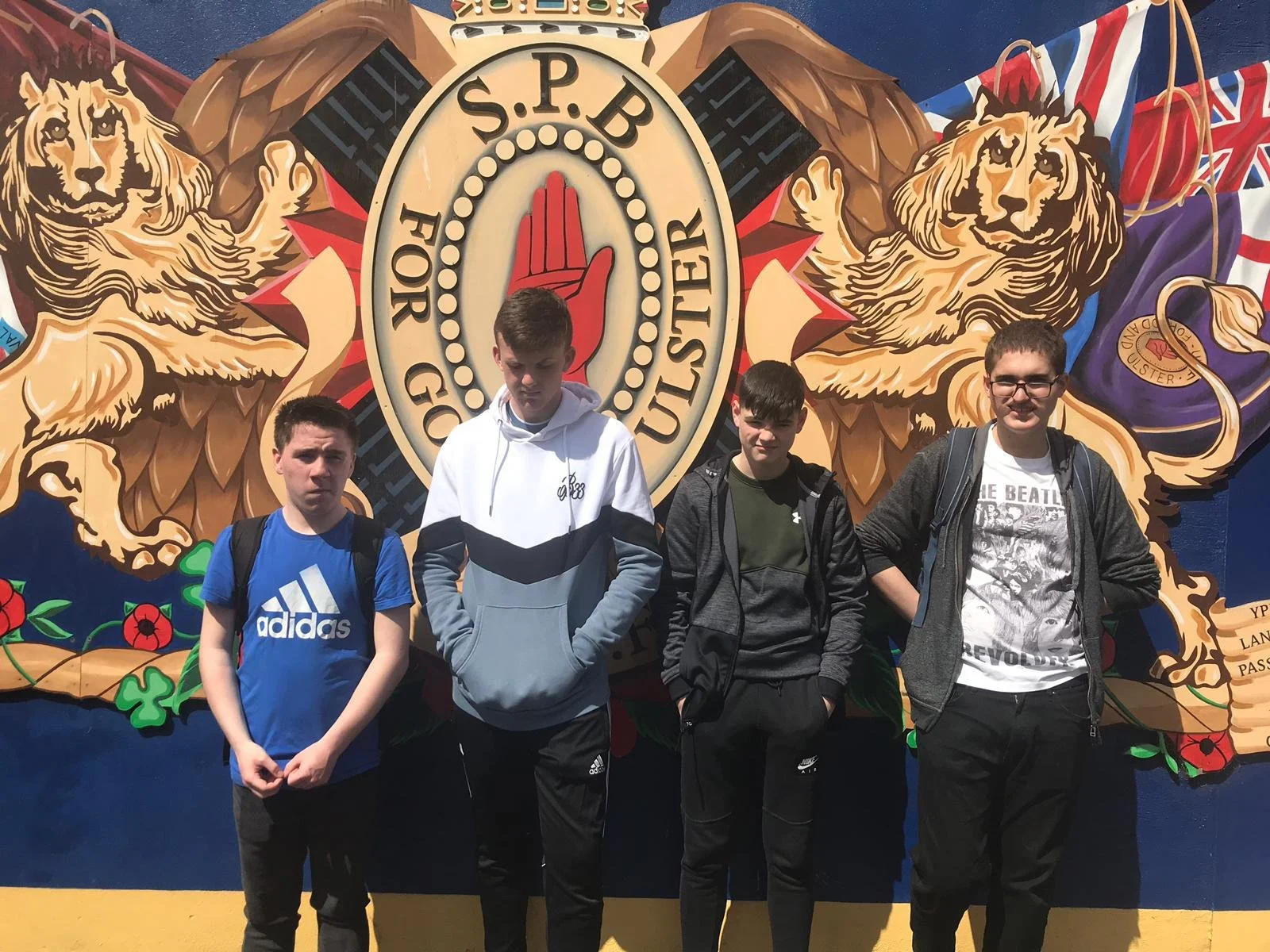
Our curriculum spans a wide range of topics, including ancient civilizations, world history, and modern events, allowing students to appreciate the complexity and diversity of human experiences. With opportunities for hands-on learning through field trips, guest speakers, and archival research, we inspire a passion for history and a deeper understanding of global perspectives.
KS3 History
Year 9
The Normans
The Plantations
The Reformation
The Renaissance
Cromwell in Ireland
The Williamite Wars
Year 8
What is History
Origins of the Roman Empire
The Roman Republic
The Roman army
Lifestyle in Roman Times
Year 10
‘The Troubles’
Nationalism and Unionism in Ireland
The short and long term causes of Partition
WW2
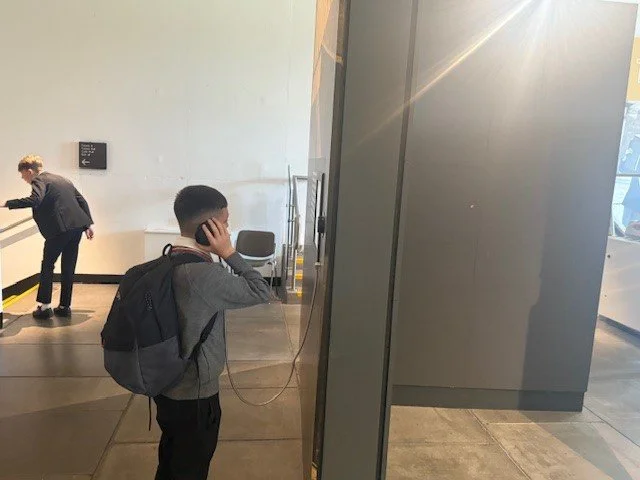
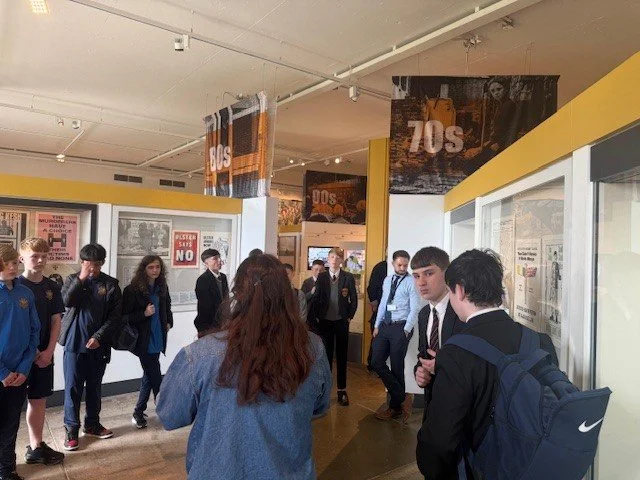
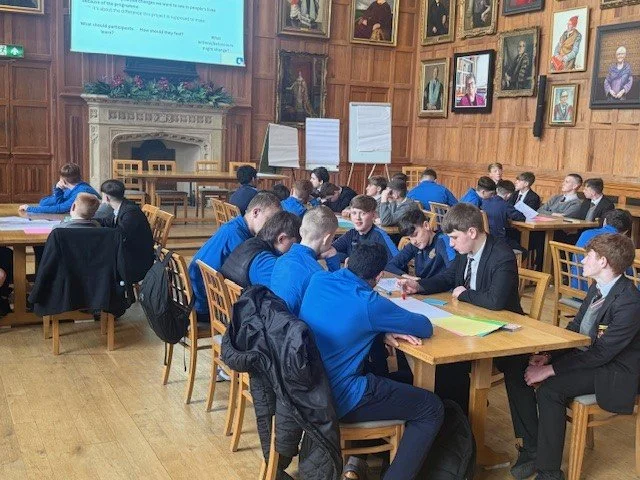
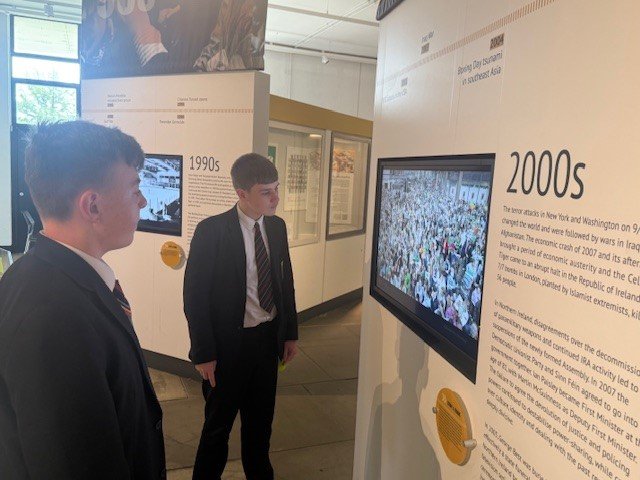
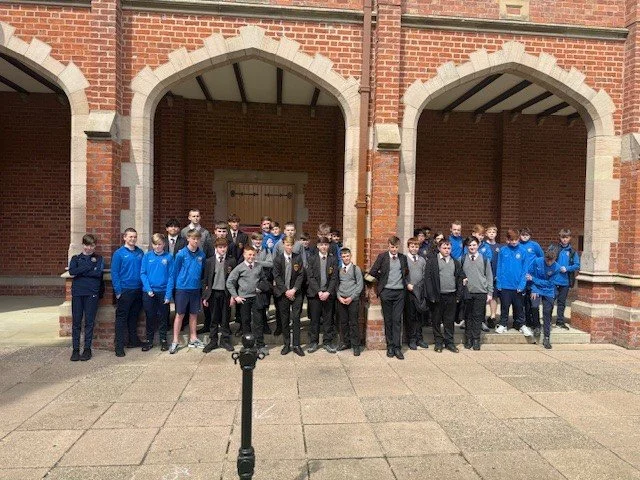
KS4 History
GCSE History has always been an extremely popular choice for De La Salle pupils. There are currently there are two Year 11 and three Year 12 classes completing this course.
CCEA GCSE History is studied over two years beginning in Year 11 and continuing through Year 12. Pupils will sit both exams at the end of Year 12.
Paper 1- Modern World Studies in depth (Nazi Germany, 1933-1945) and a Local Study (Northern Ireland and its Neighbours 1965-1998)- 1 hour and 45-minute examination.
Paper 2- Outline Study-International Relations, 1945-2003- 1 hour 15-minute examination
Assessment- Paper 1 is worth 60% of the overall GCSE grade and Paper 2 is worth 40% of the overall GCSE grade.
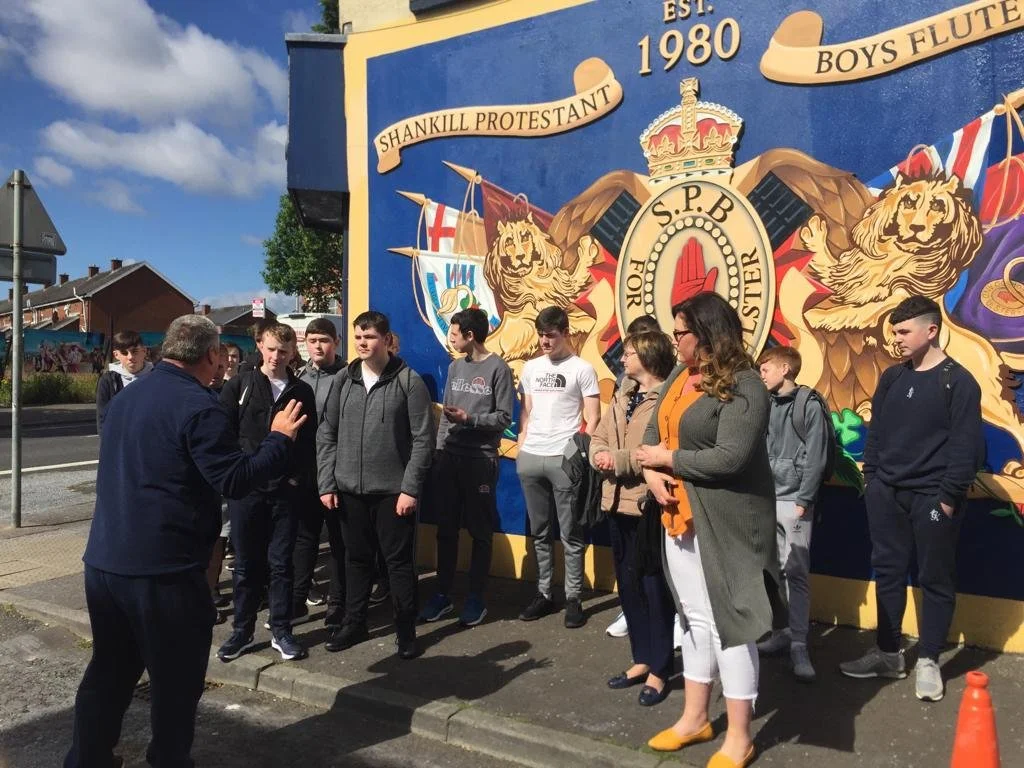
KS5 History
In previous years such a high number of GCSE Students has meant that the subjects offered by the History Department as KS5 level has proven to be extremely popular. In this respect the department can be seen to make a significant contribution to the aims of the College.
CCEA A Level History is studied over two years beginning in Year 13 and continuing throughout Year 14.
Assessment: The A Level History course is divided into four units, two units at AS level and two units at A2. The following units are studied in AS and A2 History. The full advanced GCE (A Level) award is based on students’ marks from the AS (40%) and the A2 (60%).
Unit AS1:
Historical investigations and interpretations
Option 5: Germany 1919-1945 (20% of the A Level)
The Weimar Republic 1919-1929.
The decline of the Weimar Republic 1929-33 and the rise of the Nazis.
Developments in Nazi Germany.
The impact of the war on Nazi Germany and the occupied territories in Eastern Europe, 1939-45.
Unit AS2:
Historical conflict and change
Option 5: Russia 1914-41 (20% of the A Level)
The Revolutions of February and October 1917.
Lenin’s Russia 1917-24.
Stalin’s rise to power and dictatorship 1924-41.
The Economy 1924-41.
Unit A21:
Change Over Time
Option 5: Clash of Ideologies in Europe 1900-2000 (20% of the A Level)
Russia and Europe 1900-17
Revolutionary Russia and opposition from western governments 1917-33.
The struggle for survival 1933-45.
The search for security 1945-56.
Co-operation and coexistence 1956-79.
Soviet aggression, decline and collapse, 1979-91.
Unit A22:
Historical Investigations and Interpretations
Option 5: Partition of Ireland 1900-25 (40% of the A Level)
The crisis over the Third Home Rule Bill up to September 1914.
Political developments 1914-18.
Political developments 1919-23.
Northern Ireland 1921-25